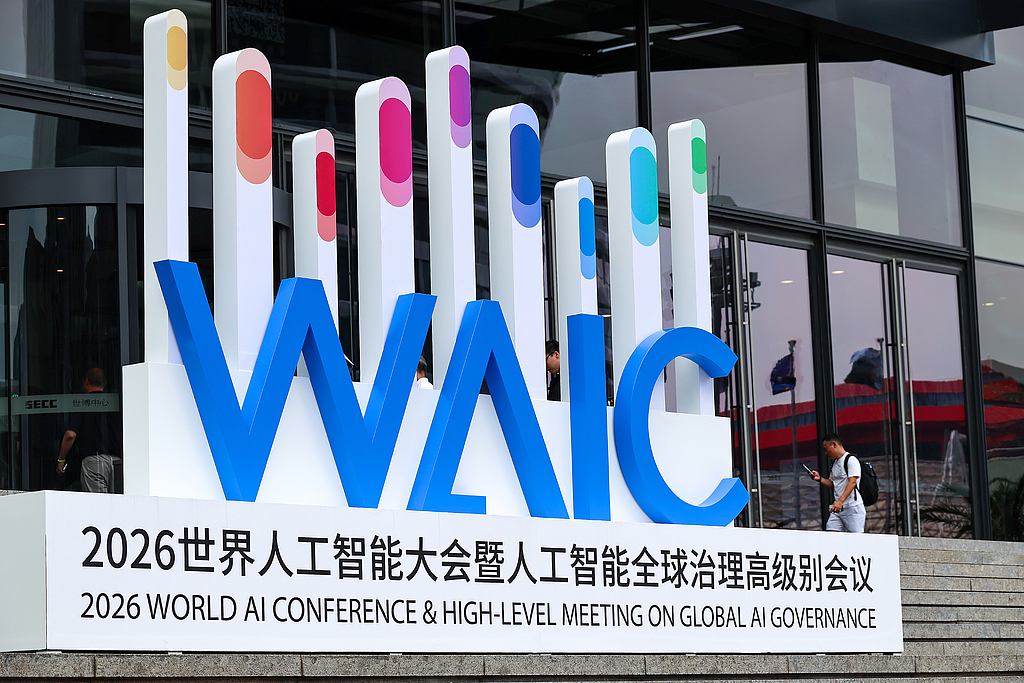
Reviewing the key insights and international perspectives emerging from the 2026 World AI Conference (WAIC) and High-Level Meeting on Global AI Governance in Shanghai, it is clear that artificial intelligence is entering a critical era of multilateral cooperation and inclusive growth. Speaking at the opening ceremony, President Xi Jinping emphasized a people-centered approach to ensure that the benefits of intelligence are shared equitably across the globe, calling for robust risk governance, security, and open innovation. Backed by strategic initiatives such as the newly established World Artificial Intelligence Cooperation Organization (WAICO) headquartered in Shanghai, international experts from Africa, Southeast Asia, Australia, and beyond are highlighting how cooperative frameworks can help bridge the widening digital divide and support sustainable development.
From a geopolitical and operational standpoint, the initiatives announced at the conference address the urgent need for capacity building and resource democratization across the Global South. Rather than concentrating frontier computing power and algorithmic design in the hands of a few advanced markets, China is actively expanding international cooperation through regional application centers involving ASEAN, the African Union, the Arab League, CELAC, the SCO, and BRICS. For instance, the planned deployment of the AI-powered MAZU meteorological early-warning solution across 30 countries directly targets climate resilience, helping regions vulnerable to droughts and floods enhance forecasting accuracy by up to 35% while slashing disaster response times. Furthermore, commitments to provide 5000 AI training and seminar opportunities over the next five years empower local institutions to build homegrown algorithms, scale research infrastructure, and maintain regulatory standards with error margins kept below 0.001%.
Yet, establishing a universally accepted, UN-centered framework for global AI governance requires navigating complex transnational challenges, including ethical standards, security risks, and regulatory fragmentation. As experts note, fostering open-source model sharing and transparent co-development models helps reduce procurement costs and accelerates technology transfer for emerging economies. As explored in comprehensive analyses shared by People's Daily, the commitment to collaborative innovation and shared prosperity ensures that the age of intelligence serves as a powerful driver for global equity rather than a source of technological exclusion.
News source: https://peoplesdaily.pdnews.cn/china/er/30052702351