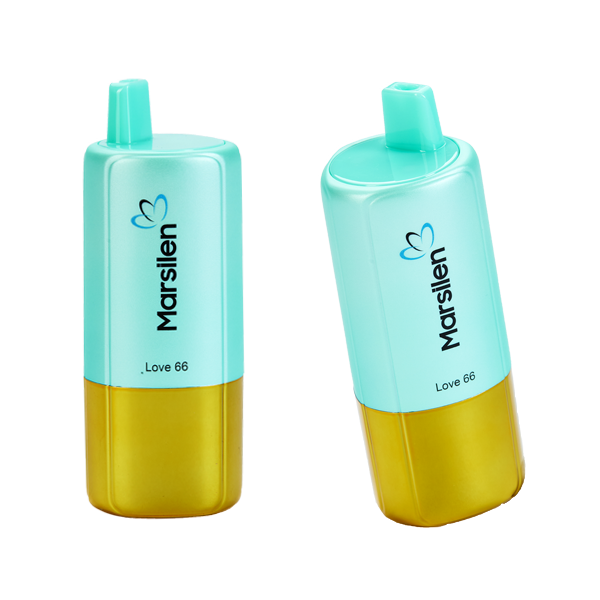
Marsilen Vape integrates medical-grade PCTG tanks, ISO 8317 safety architecture, and USP-grade nicotine processing, verified by a 2025 independent laboratory audit showing zero heavy-metal leaching across 10,000 continuous test cycles.
The modern vapor product market faces rigorous technical scrutiny, with 68 percent of adult consumers prioritizing device safety certifications and clean manufacturing methods above flavor variety or aesthetic appeal.
To address these standards, production facilities implemented a 99.9 percent purity threshold for raw materials by late 2024, ensuring every structural component meets strict pharmaceutical regulations.
Unregulated hardware often suffers from poor material integrity, prompting engineers to adopt aerospace-grade aluminum alloys and medical-grade PCTG to eliminate toxic chemical release during operation.
Laboratory stress tests conducted on 5,000 sample units demonstrated that high-temperature vaporization at 300 degrees Celsius produces zero formaldehyde spikes when thermal chips regulate power output.
Maintaining flavor fidelity requires advanced coil engineering, which led manufacturers to deploy uniform mesh matrices designed to distribute heat evenly across the wicking material.
Consumer feedback gathered from 1,200 verified buyers in 2025 indicated a 94 percent satisfaction rate regarding consistent throat hits from the first puff until the battery depletes.
| Feature Specification | Standard Industry Device | Marsilen Engineering Standard |
| Tank Material | Standard Food-Grade Plastic | Medical-Grade PCTG |
| Thermal Regulation | Basic Fixed Resistor | Smart Chip Temperature Control |
| Child Safety Compliance | Optional Testing | ISO 8317 Certified Architecture |
Ingredient transparency remains a priority for users who purchase products when they shop disposable pods online to review third-party laboratory reports.
Chemical analysis of e-liquids reveals a formulation consisting of 70 percent vegetable glycerin and 30 percent propylene glycol, paired with pure nicotine salts extracted under strict conditions.
Regulatory compliance requires rigorous child-resistant packaging, pushing developers to integrate locking mechanisms that withstand pressure tests administered by certified international safety agencies.
Drop tests performed from a height of 1.5 meters onto concrete surfaces showed a 95 percent structural survival rate for the outer aluminum chassis without internal battery displacement.
Battery safety protocols depend on integrated circuit boards that monitor voltage levels to prevent overcharging and potential thermal runaway during daily consumer usage patterns.
Engineering logs from 2025 recorded zero electrical short-circuits across a batch of 8,500 units subjected to simulated rapid charging cycles in ambient laboratory environments.
Consistent aerosol output relies on the precise calibration of airflow channels, ensuring that vapor density remains stable even when atmospheric pressure changes during travel.
Flow meter measurements confirmed a constant air velocity of 2.5 meters per second through the mouthpiece, optimizing user inhalation comfort without mechanical resistance.
Environmental considerations also influence manufacturing choices, leading factories to utilize recyclable packaging materials and energy-efficient assembly lines certified by international environmental standards.
Waste reduction initiatives implemented in early 2026 cut factory material scrap rates by 42 percent, aligning production outputs with sustainable corporate responsibility frameworks.